Emphysema Updates: Causes, Care, and Hope


Emphysema has been part of the public conversation for decades, but the last few years have brought breakthroughs that are giving patients and physicians something rare: optimism. New government-funded studies, improved diagnostic tools, and FDA-approved therapies are reshaping how experts understand the condition.
At the same time, researchers are uncovering more about environmental contributors, early warning signs, and lifestyle strategies that support lung health. This renewed wave of attention makes emphysema not just a medical topic, but a timely and personal one for many families.
Quick Takeaway: What to Remember About Emphysema
- Emphysema damages the air sacs in the lungs, making breathing harder over time.
- Pollution, genetics, and aging play bigger roles than many people realize.
- New FDA-approved devices and sharper diagnostic tools are improving care.
- Pulmonary rehab, better indoor air quality, gentle movement, and vaccinations can make everyday breathing easier.
- There’s no cure yet, but research over the last five years is offering more hope and better outcomes than ever before.
What Emphysema Is — And Why It Makes Breathing So Hard
Emphysema is part of the broader family of chronic obstructive pulmonary disease. It damages the alveoli, the tiny, balloon-like air sacs that exchange oxygen and carbon dioxide every minute of our lives. When these sacs weaken, collapse, or merge into larger, inefficient pockets, the body simply doesn’t get oxygen the way it should.
Pulmonologists often compare healthy lungs to a brand-new sponge: flexible, responsive, quick to expand and contract. Emphysema turns that sponge into one that’s been wrung out far too many times, less springy, less efficient, and far more prone to trapping air.
What Causes Emphysema? It’s More Than Smoking
For decades, smoking was considered the beginning and end of the story. Today, we know the picture is more layered — and more interesting.
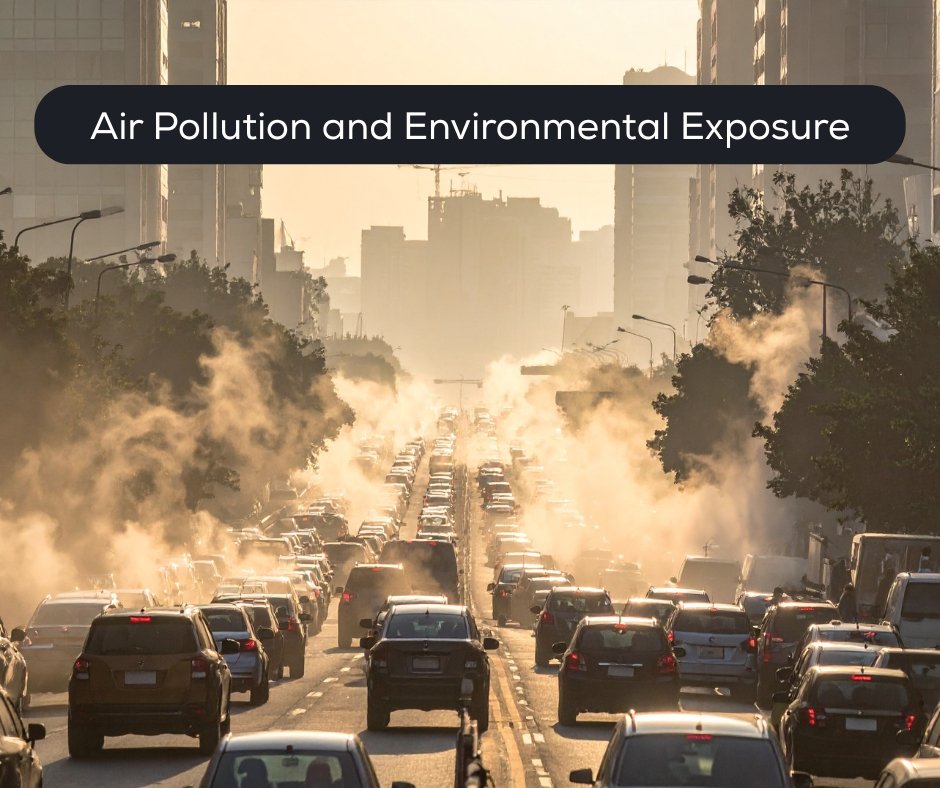
Air Pollution and Environmental Exposure
A large NIH‑funded JAMA study found that long‑term exposure to fine particulate pollution (PM2.5) was associated with faster progression of emphysema‑like changes on CT, even in nonsmokers.
Ongoing follow-ups between 2019 and 2023 continue confirming this link. In large cities, the lungs work harder every day simply because of what floats through the air.
This opens important conversations about indoor pollutants, too — fumes from cleaning products, secondhand smoke, poorly ventilated kitchens, and certain workplace exposures.
Genetics Can Play a Role
Some people inherit alpha-1 antitrypsin (AAT) deficiency, which means their body lacks the protective protein that shields lung tissue from inflammation. According to the CDC, individuals with this condition may develop emphysema decades earlier, sometimes even without smoking.
Age-Related Changes
Like every system in the body, the lungs age. Elastin fibers weaken, chest muscles lose strength, and the lungs don’t deflate as efficiently. The National Heart, Lung, and Blood Institute notes that age amplifies every other risk factor — meaning pollution and smoke exposure have a bigger impact later in life.
What Emphysema Feels Like
People often describe the onset in startlingly similar ways:
• “I get winded doing things I never had to think about.”
• “It feels like breathing through a narrow straw.”
• “My chest feels tight even at rest.”
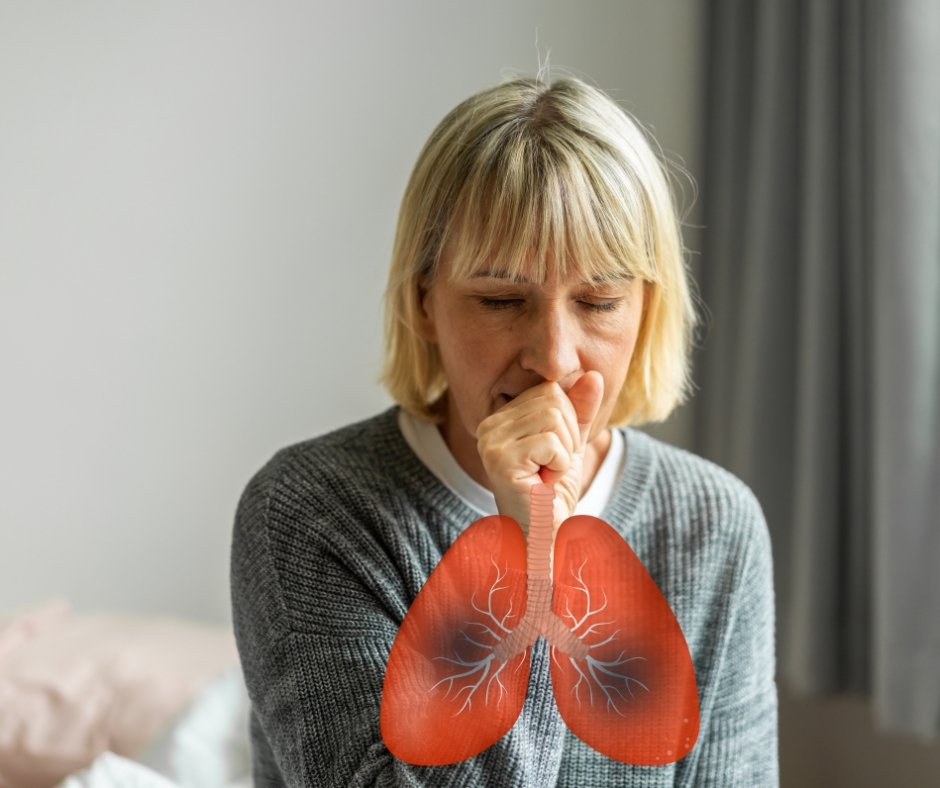
Other symptoms include chronic coughing, unintended weight loss, and fatigue after light activity. Physicians emphasize that these signals deserve early attention, because once lung tissue is damaged, it cannot fully regrow — making early diagnosis crucial.
How Doctors Diagnose Emphysema Today
Advances in diagnostics over the past five years have changed the game.
High-Resolution CT
High-resolution computed tomography (HRCT) is now one of the sharpest tools physicians have. A Radiology study showed it can detect small pockets of air trapping before symptoms intensify. HRCT also helps physicians tailor treatments more precisely.
Pulmonary Function Tests
Spirometry remains the standard for measuring airflow. It tells clinicians how much air a person can exhale and how quickly they can do it. Additional tests, like diffusion capacity, reveal how well oxygen moves from the lungs into the bloodstream.

Genetic Screening
Accessible testing for AAT deficiency has expanded thanks to public-health campaigns by the CDC and various patient advocacy groups.
Treatment Has Changed: FDA-Approved Innovations Worth Knowing
For decades, emphysema treatment felt like a slow-moving field, offering relief but not real transformation. That has changed dramatically in the last several years.
New devices, evolving drug research, and bold regenerative science are reshaping what physicians can offer — and for many people, these advances are turning long-held frustration into genuine hope.
Let’s break down the most exciting developments.
Bronchoscopic Lung Volume Reduction (BLVR)
This is one of the biggest breakthroughs in emphysema care, especially for people with severe hyperinflation, a condition where damaged lung areas trap air and make the lungs too “full” to breathe comfortably.
How BLVR Works
BLVR uses tiny, one-way valves, such as the Zephyr Valve or Spiration Valve System, that are placed inside selected airways of the lungs. These valves allow trapped air to escape from the overinflated, damaged sections of the lung but prevent air from flowing back in.
Over time, the diseased area deflates, giving the healthier parts more space to expand and function.
Think of it as collapsing a worn-out pocket in a backpack so the rest of the bag can finally hold things properly again.
Why It’s a Game Changer
- No surgical incisions: The entire procedure is done using a bronchoscope, essentially a small, flexible tube inserted through the mouth.
- Short recovery: Many patients return home within a day or two and begin noticing improvements quickly.
- Better daily function: BLVR has been shown to reduce breathlessness and increase the ability to move around comfortably.
What Clinical Trials Show
NIH-supported and international trials consistently report:
- Improved lung function, especially FEV₁ (how much air you can blow out in one second)
- Longer walking distances on standard six-minute walk tests
- Significant quality-of-life improvements, including reduced fatigue and greater independence
Some patients describe it as “getting back a room in my lungs I didn’t know was gone.”
Who Is Eligible?
Not everyone with emphysema qualifies. Candidates typically need:
- A confirmed diagnosis of heterogeneous emphysema (meaning damage is worse in certain areas than others)
- No major airway blockages or active infections
- Sufficiently low collateral ventilation (measured using specialized tools)
Pulmonologists carefully evaluate each individual to determine if BLVR is suitable.
Anti-Inflammatory and Biologic Medications
While devices are making headlines, drug research is quietly building momentum behind the scenes.
What Researchers Are Studying
Emphysema involves chronic inflammation that slowly damages lung tissue. For years, treatments such as bronchodilators and steroids helped control symptoms but did not address deeper biological processes.
Scientists are now investigating biologic medications, highly targeted drugs used in asthma, eczema, and autoimmune disorders, to see whether modulating specific inflammatory pathways can slow emphysema progression.
Promising Findings
A clinical study tested a monoclonal antibody (a type of biologic) that blocks certain inflammatory proteins associated with COPD and emphysema. Results showed:
- Reduced inflammation markers
- Improved airflow measurements in some participants
- Early signs that tissue damage may progress more slowly
While these biologics are not yet FDA-approved for emphysema, they represent a promising next chapter in treatment.
This shift toward targeted therapies recognizes emphysema not just as a structural problem in the lungs, but as a complex immune and inflammatory condition. It aligns treatment with precision medicine, similar to what has transformed cancer care and arthritis management.
Regenerative Medicine: The Frontier of What’s Possible
If BLVR is today’s breakthrough and biologics are tomorrow’s, regenerative medicine represents the long-term horizon — bold, ambitious, and full of potential.
What Researchers Are Exploring
Scientists are studying whether stem cells or specialized growth factors can:
- Repair damaged alveoli
- Restore elasticity in lung tissue
- Stimulate the growth of new capillaries
- Reduce chronic inflammation at the cellular level
Early laboratory studies and small pilot trials have shown encouraging signs that certain cell types may help calm inflammation or support better tissue environment in the lungs.
Where We Stand Today
No regenerative therapy — stem cells, exosomes, or otherwise — is FDA-approved for emphysema. The field is in its research phase, and experts urge caution against commercial “stem cell clinics” that offer unproven treatments.
But within academic research settings, progress is undeniable. New imaging techniques allow scientists to watch lung tissue respond in real time, and early models suggest that partial restoration of lung function may someday be possible.
Why It Inspires Hope
Regenerative medicine addresses a question once considered impossible:
Can damaged lungs heal?
We’re not there yet — but for the first time, science is exploring the answer seriously.
In Short…
- BLVR is the most impactful present-day innovation, offering real, measurable improvements without surgery.
- Biologic drugs are opening doors to targeted treatment that may one day slow progression.
- Regenerative medicine holds distant but extraordinary potential for repairing lung tissue.
It’s an exciting time for emphysema research — and the momentum is only growing.
Supportive Care at Home: What Actually Helps
Physicians emphasize that home strategies don’t “treat” emphysema, but they support comfort, mobility, and energy levels.
- Breathing Techniques
- Pulmonary rehab teaches pursed-lip and diaphragmatic breathing, which helps release trapped air and lower breathlessness. These methods are backed by the American Lung Association.
- Gentle Movement
- Even small amounts of movement support lung efficiency. Activities such as slow walking, light stretching, and chair exercises can make daily breathing easier.
- Explore our helpful guide to easy exercises you can do at home.
- Air Quality
- Air purifiers, frequent ventilation, and avoiding strong fumes all help reduce irritation.
- Nutrition
- A balanced diet supports energy availability. Hydration helps keep mucus manageable and improves overall comfort.
- Vaccinations
- According to the CDC, influenza, pneumococcal, and COVID-19 vaccines are important for anyone with chronic lung conditions, because respiratory infections can trigger serious complications.
Behind every statistic is someone adjusting their routines, setting new expectations for themselves, and finding ways to stay active and connected. Many say pulmonary rehab is life-changing because it improves confidence as much as strength. Families also play a crucial role, offering companionship, transportation, and emotional support.

Looking Ahead
Between FDA-approved devices, smart diagnostics, and ambitious government-backed research, emphysema care is entering a new era. We may not have a cure yet, but people living with emphysema today have better tools, better information, and better day-to-day support than ever before. And that progress, steady, science-driven, and deeply human, matters.
Frequently Asked Questions About Emphysema
What is emphysema in simple terms?
Emphysema is a chronic lung condition where the air sacs (alveoli) weaken or collapse, making it harder to breathe and less efficient for the body to absorb oxygen.
What causes emphysema besides smoking?
Beyond smoking, major contributors include long-term air pollution exposure, genetic factors such as alpha-1 antitrypsin deficiency, workplace fumes, and natural age-related lung changes.
Can emphysema be cured?
There is currently no cure. However, modern treatments, including FDA-approved lung volume reduction devices, pulmonary rehab, and early diagnosis, help slow progression and improve daily comfort.
How is emphysema diagnosed today?
Doctors use high-resolution CT scans, pulmonary function tests like spirometry, and sometimes genetic screening to identify the condition and determine severity.
What helps emphysema at home?
Breathing exercises, avoiding irritants, improving indoor air quality, gentle activity, healthy eating, hydration, and staying up-to-date on vaccinations support better breathing and daily functioning.
Is emphysema always caused by aging or lifestyle?
No. Genetics, environmental exposures, and occupational hazards can trigger emphysema in people who have never smoked or who are otherwise healthy.