
Kids Spending Hours on Phones During School: What Grandparents Need to Know

Last Updated on January 15, 2026 by George
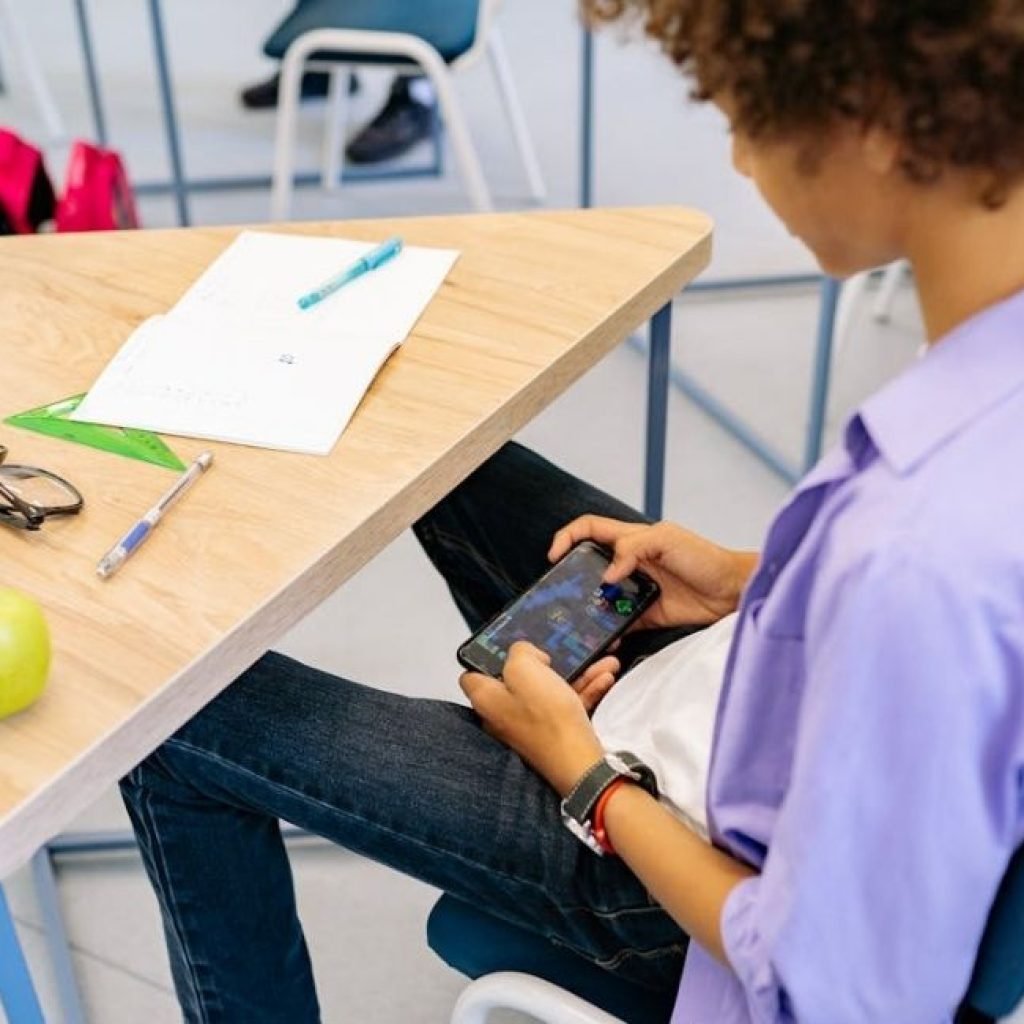
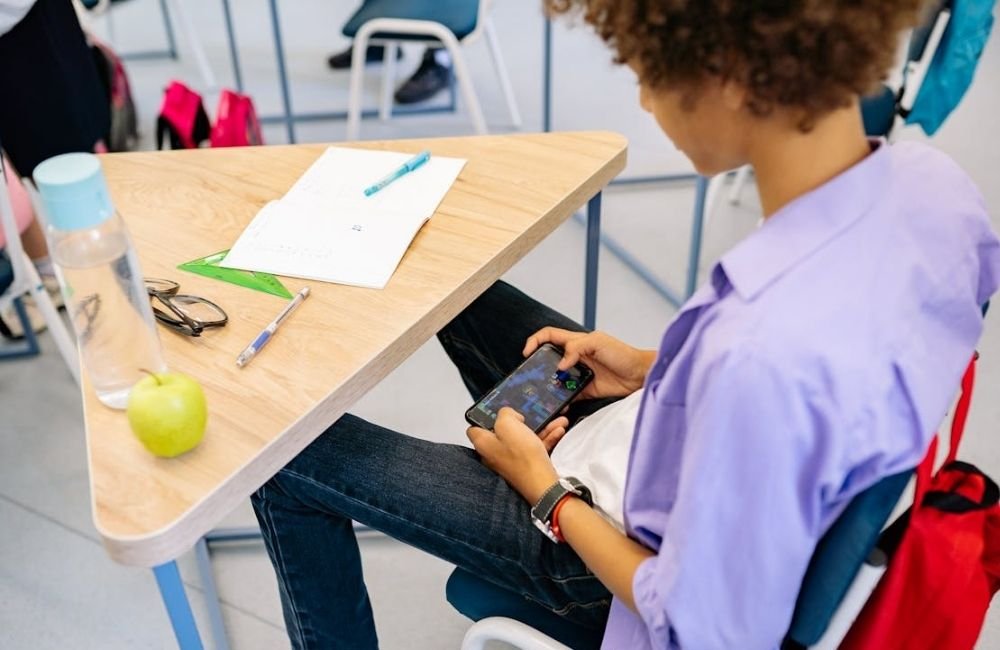
When you drop your grandchildren off at school, it’s easy to picture their phones staying in their backpacks while they concentrate on class. The reality can look different. Some recent research suggests many kids spend about 70 minutes of a typical school day on apps like TikTok, Instagram, and Snapchat, often during lessons.
Smartphones are also showing up earlier, with many children getting their first one around age 10, and most middle schoolers now have their own device. If you understand how that constant pull on their attention can affect learning, sleep, and stress levels, you’re in a better position to help them build healthier, more balanced habits.
Key Takeaways:
- A lot of kids are spending close to an hour on their phones during the school day, and much of it sneaks in during class when they’re supposed to be paying attention.
- All those notifications and “just one quick check” moments break their concentration, make homework feel more draining, and take time away from real conversations with friends.
- Grandparents can have a bigger impact than they realize by staying curious, setting a good example with their own screens, and building simple family rules that don’t turn into constant arguments.
How Much Time Kids Really Spend on Phones at School
Recent studies have pulled back the curtain on what many kids are actually doing during the school day. Most parents and grandparents picture a day built around lessons and concentration, but the digital reality can look very different.
The hidden hour of distraction
Research published in JAMA suggests adolescents spend an average of about 70 minutes of the school day on their phones. That time isn’t happening after the bell rings. It’s showing up during class, when students are supposed to be listening, taking notes, or working on assignments.
One reason this finding stands out is how it was measured. Instead of relying on what kids say they do, the data came from tracking apps, which tends to paint a more realistic picture of daily habits.
Social media over schoolwork
Most of that phone time goes to apps built to keep people scrolling. Students are spending school hours on TikTok, Instagram, and Snapchat more than anything else. The same research also points to additional time going to gaming apps and video platforms like YouTube during the day.
Kids often argue they need their phones for calculators or quick research. The tracking data suggests those uses happen, but they don’t explain where most of the screen time is actually going.
Evading the rules
Even when schools have strict policies, a lot of students find ways around them. Notifications and the urge to check “just for a second” can feel more powerful than the risk of getting caught. Phones come out in hallways, during transitions, at recess, and sometimes even under desks while a teacher is talking.
The bigger issue is what that does to attention. If students are constantly switching between class and their screen, the school day stops being a space for steady, uninterrupted learning.
The Real Cost to Your Grandchildren’s Education
Smartphones in the classroom don’t just pull your grandchildren off task for a minute or two. Over time, that constant presence can reshape how they focus, how they learn, and how they relate to the people around them.
The erosion of academic focus
When a child is always checking for notifications, it’s hard for them to settle into real concentration. Their attention keeps getting broken into small pieces, and that makes deeper learning tougher.
Research led by Dr. Jason Nagata suggests that kids ages 9 to 13 who spend more time on social media may see academic performance slip over time. In that work, heavier social media use was linked with lower scores in areas like vocabulary, reading, and memory. Learning needs quiet stretches where the brain can absorb and store information, and constant “pings” get in the way of that.
Missing the lessons of human connection
School isn’t only about math and reading. It’s also where kids learn the basics of social life, like how to read facial expressions, pick up on tone, and handle small conflicts with friends.
Phones can block that practice. If lunch and recess turn into screen time, your grandchildren lose chances to talk, joke around, and build confidence face-to-face. Over time, hallways can feel less like a lively social space and more like a group of kids standing together while each one scrolls alone.

The myth of the digital assistant
A lot of students say they need their phones for school, and sometimes that’s true. A calculator app or a quick search can be useful.
The problem is what happens next. Once the phone is in their hand, it’s easy to drift into messages, notifications, or social feeds without even meaning to. That back-and-forth switching makes simple assignments take longer and feel more tiring. Then kids start to feel behind, stressed, and less confident, even when the work itself isn’t beyond them.
How to Talk to Your Grandchildren About Phone Use
Talking about screen time with your grandchildren works best when it feels more like a conversation than a lecture. If you lead with curiosity and a calm tone, they’re more likely to open up and actually hear you. The goal isn’t to “win” an argument. It’s to help them build better habits without turning the phone into a power struggle.
- Start simple by asking what they like about their favorite apps. What’s fun about them. Who they follow. What videos make them laugh. That kind of interest shows you’re trying to understand their world, not just criticize it.
- Shift the focus away from what they’re “doing wrong” and toward what they gain by putting the phone down. You can talk about being more present during a movie night, having more energy for sports or crafts, or feeling less rushed when they’re getting ready for school. Kids respond better to a positive trade-off than a list of rules.
- Try a phone-free challenge as a family, not just something the kids have to do. Pick a short window, like dinner and a board game, and put everyone’s devices in a basket. When adults participate too, it feels fair and it sends the message that this is about family time, not punishment.
- Explain deep focus in everyday terms. Let them know that every time they check a notification, their brain has to “restart” the task, and that’s why homework can feel longer and more stressful than it needs to be. You’re not blaming them, you’re naming what’s happening.
- Invite them to help set the boundaries. Ask what feels reasonable at home and what would help them most at school. Kids are far more likely to follow rules they helped shape, even if the rules are still firm.
- It also helps to be honest about your own habits. Mention times you’ve caught yourself scrolling longer than you meant to or checking your phone out of boredom. That makes it clear this isn’t about you being perfect. It’s about everyone learning how to manage technology in a way that feels healthier.

Conclusion
Helping your grandchildren grow up with a smartphone in their pocket is one of the most practical ways you can support them. The reality is that digital distractions are already part of the school day for many kids, so the goal usually isn’t “no screens.” It’s helping them find balance and making sure the phone doesn’t run the day.
Your role as a grandparent matters more than you might think. You can offer calm perspective, ask good questions, and create space for honest conversations without the pressure they sometimes feel with parents. When you model steady, mindful habits yourself, it’s easier for them to take the idea seriously.
Encouraging them to put the phone aside isn’t about taking away something they enjoy. It’s about giving them more freedom to focus, rest their brain, and actually be present for friends, family, school, and the things they care about offline.
FAQ
At what age should my grandchild get their first smartphone?
A lot of kids now get their first smartphone around age 10, but the “right” age depends more on maturity than birthdays. If you can, waiting longer often makes things easier, especially with focus, sleep, and social pressure. If communication is the main reason, a basic phone or a limited device without full social media access can cover safety needs without opening the door to nonstop scrolling.
How can I tell if my grandchild is being cyberbullied?
Cyberbullying can be hard to spot because kids often try to hide it. Watch for sudden mood changes, avoiding school or friends, sleep issues, nervousness when notifications pop up, or a drop in grades. Gentle, non-judgmental check-ins help, especially if you ask specific questions like “Has anyone been mean online lately?” If they share something, reassure them they’re not in trouble, save evidence, and involve a parent or school if needed.
Do school phone bans actually help with learning?
Many schools report better focus and fewer classroom disruptions when phones are kept out of reach, including systems like locking pouches. The biggest benefit is simple: if the phone isn’t physically available, students aren’t fighting the urge to check it every few minutes. Support at home makes a difference too, like backing school rules and setting clear “phone away” times for homework, meals, and bedtime.