Are We Abandoning Older Adults with Mental Health Issues

Last Updated on February 25, 2026 by George
In healthcare and social policy, independence often gets treated like the ultimate goal of aging. We praise the 80-year-old who still lives alone. This includes the retiree who handles everything without help. For them, needing support is a kind of failure. On paper, it sounds respectful. However, it can hide something darker in real life.
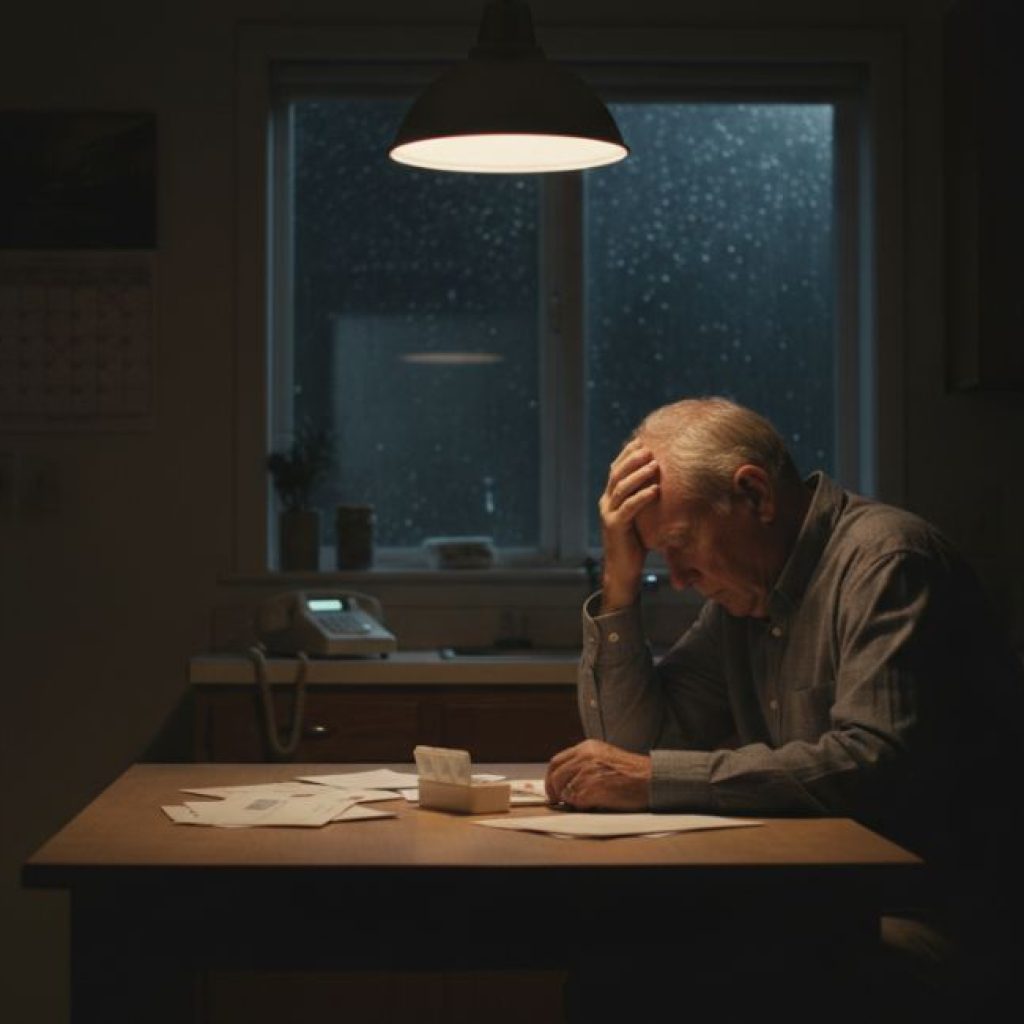
There’s a pattern showing up under all this talk about self-sufficiency. For older adults dealing with depression or early cognitive decline, their desire for independence can result in neglect. Services don’t get offered and families or systems tell themselves they’re honoring someone’s choices. Meanwhile, the person is slipping, quietly, behind a closed door.
Respecting autonomy matters. People should have a say in how they live. The problem is how easily that idea can slide into neglect. When does being older become a way to dismiss treatable mental health issues, or ignore warning signs, because it feels uncomfortable to push?
Key Takeaways
- Making independence the “goal” can become an excuse to leave seniors without needed mental health support.
- Depression and anxiety aren’t normal aging, but they’re often brushed off, so few older adults get treated.
- Real respect means supportive interdependence: seniors stay in control, with care and connection that keeps them safe.
The Cult of Independence in Aging
A lot of people treat independence like the highest badge you can earn in old age. If you can still live alone, drive yourself around, and handle your own bills, society reads that as dignity. The problem is that this obsession with self-sufficiency can also cover up a quieter reality: many seniors are isolated, and isolation makes them easier to miss when things start going wrong.
The Evolution of Aging in Place
Aging used to look different. Multi-generational households were more common. Older adults were naturally woven into daily life. Now we’ve shifted toward aging in place, which usually means staying in your own home for as long as possible.
Plenty of seniors want that. Familiar routines help, and people often feel safer in their own space. But somewhere along the way, staying put became the main yardstick for a good retirement. The focus shifts to the address rather than the person. A home can stay the same while someone’s needs change.
Autonomy as a Double-Edged Sword
Autonomy matters. Having control over your day, your choices, and your privacy is a real source of confidence and purpose. But independence can also become a trap when it’s treated like the only acceptable way to age.
Bodies change, and minds can change too. The clash happens when someone is struggling, but feels like asking for help means losing their freedom. If “doing it on your own” is the standard everyone praises, it’s easy for a senior to hide depression, anxiety, confusion, or overwhelm. Nobody wants to be seen as needy. Nobody wants to feel like a burden. So they stay quiet, even when the quiet is costing them.
The Social Cost of Self-Sufficiency
When independence is framed as the gold standard, the community tends to back off. Families, neighbors, and even systems can fall into a “hands-off” mindset, thinking they’re being respectful. In practice, that can turn into neglect.
This is where the right to be left alone gets messy. Respecting someone’s space is one thing. Using it as a reason not to check in is another. If a person is clearly sliding into depression, not eating well, missing appointments, or showing signs of cognitive decline, stepping back isn’t neutral. It becomes a form of abandonment, even if nobody means it that way.
The hard truth is that independence without connection isn’t dignity. It’s just being alone with problems that get harder to solve over time.
The Invisible Crisis: Mental Health in the Elderly
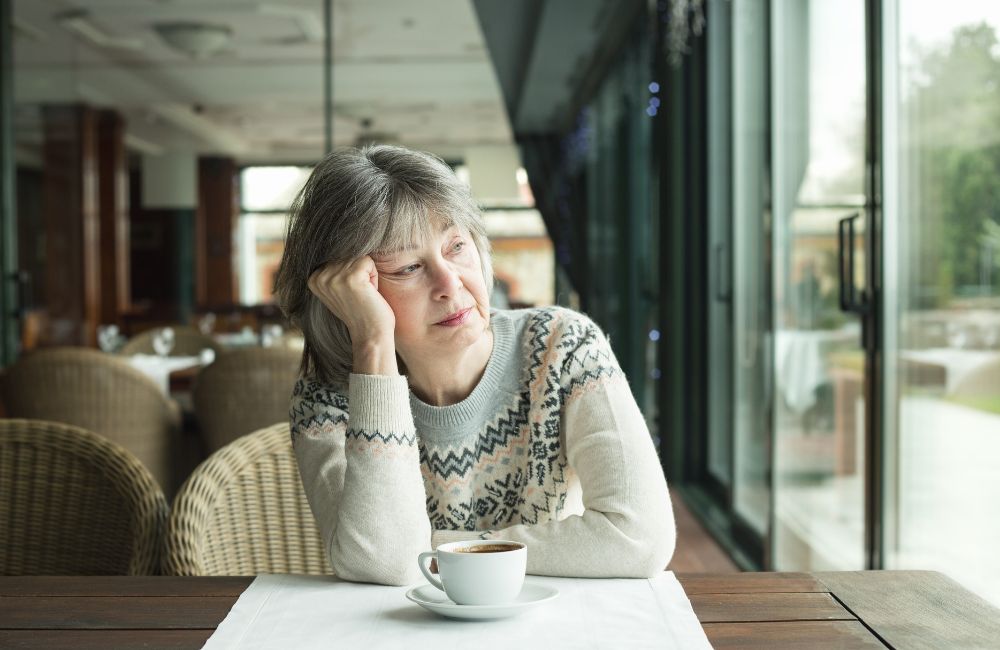
Mental health in older adults gets brushed aside far too often, even though the fallout can be brutal for families and for the healthcare system. A lot of people still assume that sadness, pulling away, or constant worry is just “what happens” as you age, and that mindset lets serious problems sit untreated for years while everyone looks the other way.
The Numbers We Are Not Talking About
Common estimates suggest depression affects around 7 million Americans age 65 and up, yet fewer than 1 in 10 ever gets treated. Anxiety is also widespread, with estimates often landing around 15% to 20% of older adults, making it one of the most common mental health issues in this age group.
The unsettling part is that these numbers are widely believed to be low because many seniors don’t report their feelings. Some feel ashamed, some don’t recognize the symptoms, and plenty have been taught to see their suffering as the “price” of getting older.
The Normalizing Trap
One of the biggest reasons older adults don’t get help is that we normalize their distress. If a 70-year-old talks about feeling hopeless, losing interest in life, or waking up heavy every day, the response is often a sympathetic nod instead of a mental health referral.
Families and even clinicians may explain it away as an understandable reaction to loss, retirement, pain, or physical decline. It can sound caring, but it’s not. Treating these symptoms as expected aging quietly lowers the standard of care for older adults, even though we wouldn’t dismiss the exact same signs in a younger person.
Isolation as a Catalyst for Cognitive Decline
Isolation doesn’t just affect mood. It can speed up cognitive decline by cutting off the daily stimulation and emotional connection the brain needs to stay sharp. Research has repeatedly linked chronic loneliness with a higher risk of dementia, and some studies compare the added risk to major health factors like heavy smoking.
When someone is left in near-total isolation under the label of independence. It’s not neutral, and it’s harmful. The tragedy is that much of this is preventable, yet many systems don’t intervene until the situation has already become a full-blown crisis.
When Autonomy Becomes Neglect
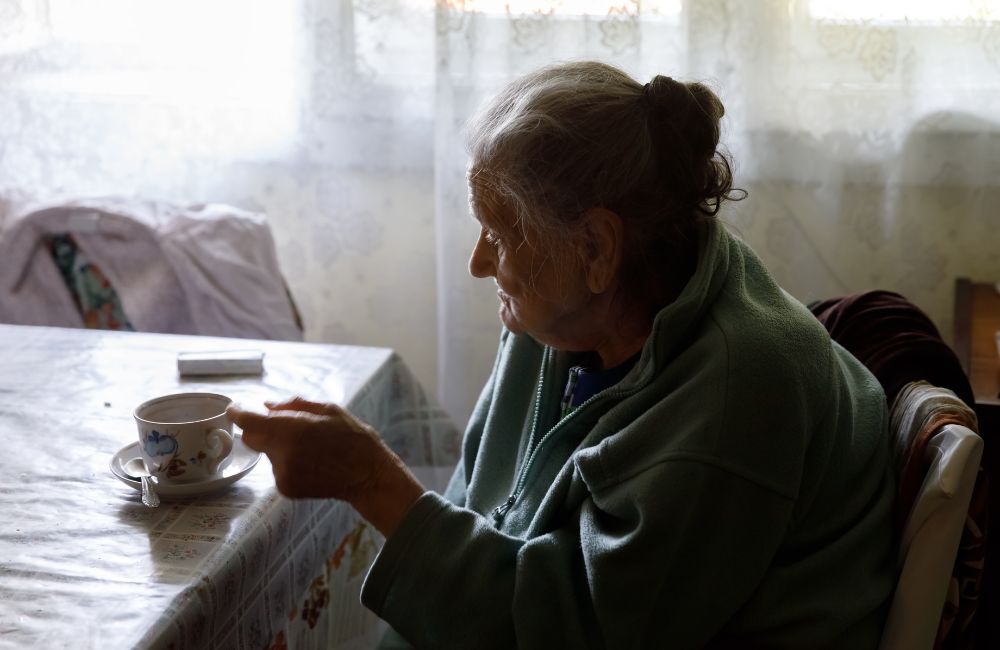
You’ve spent decades making your own choices. You know what you like, what you don’t, and how you want to live. That deserves respect. The problem is that being independent can sometimes make other people stop checking in or offering real support. Independence should protect your freedom, not leave you alone when you’re struggling.
The Ethical Dilemma of Self-Determination
Things get tricky when your thinking, memory, or mood starts to change in small ways. You still have the right to make choices other people might not agree with. But the situation changes when decisions are being shaped by something treatable, like depression, high anxiety, medication side effects, or early memory problems.
This is where family members and even doctors can freeze. They remember you as capable and strong, so they don’t want to push. That hesitation often turns into a quiet “wait and see.” It can feel respectful in the moment, but it allows small issues to grow. A few missed pills turn into a hospital visit. A cluttered hallway becomes a fall risk. Eating less turns into serious weight loss before anyone realizes it.
The Silent Danger of Not Knowing You’re Unwell
Another issue doesn’t get talked about much: sometimes the brain doesn’t give you an accurate picture of how you’re doing. This isn’t “being in denial.” Certain conditions can make it genuinely hard to notice changes in memory, judgment, or daily functioning.
That’s why someone can honestly believe they’re fine while missing important medications, forgetting bills, or living in a home that’s becoming unsafe. If everyone accepts I’m fine as the final answer, it may look like respect, but it can also mean you’re left to deal with problems you can’t fully see.
When Refusal Leads to Tragedy
Many families have watched a repeated no to help end in preventable falls, medication mistakes, dehydration, or dangerous weight loss. People often explain it away by saying, “They wanted to live their own way.” That only holds up if the choice is being made with clear thinking and real awareness.
A better question is uncomfortable but important: are you saying no because you truly don’t need help, or because something is making it harder to cope, think clearly, or trust others? The goal isn’t to take over your life. It’s to make sure your choices are supported, and that “independence” doesn’t turn into being left on your own when support could keep you safe.
Conclusion
You’ve probably heard the same message for years: stay independent, don’t rely on anyone, keep going no matter what. Independence matters. It’s tied to pride, privacy, and the ability to live life on your own terms.
The problem is that independence can get used against you, even when people don’t mean it that way. Friends, family, and even professionals may step back because they assume you have it handled. If you’re feeling down, anxious, or more forgetful than usual, it can be easy to tell yourself it’s just aging and you should push through. That’s where people end up suffering quietly and alone.
A better goal isn’t total self-sufficiency. It’s supportive interdependence. That just means you stay in charge of your life, but you don’t have to carry everything by yourself. Getting help early, even small help, can keep you safer and more independent long-term. You deserve support that respects your choices, without leaving you isolated.
FAQ
- How can I tell if I’m depressed or just getting older?
- Sadness comes and goes. Depression tends to stick and change your daily life. Watch for two-plus weeks of hopelessness, pulling away, losing interest, sleep or appetite changes, low energy, or trouble concentrating. If it lasts, talk to your doctor or a counselor.
- What if I don’t want mental health help?
- That’s understandable. Many seniors worry help means losing independence. Start small: mention sleep, fatigue, appetite, or stress to your primary care doctor. Ask about low-pressure options like short-term counseling, support groups, or telehealth. You can accept support without giving up control.
- Is being lonely really that serious?
- Yes. Ongoing loneliness affects mood, sleep, heart health, and memory over time. Connection is part of staying well, not a bonus. If your circle shrank, build steady touchpoints: weekly calls, a class, a walking group, volunteer work, or community and faith activities.
- What’s the difference between independence and interdependence?
- Independence is doing everything alone. Interdependence means you stay in charge, but accept help where it protects your safety and freedom. Simple support like check-ins, rides, meal help, or reminders can prevent emergencies and help you stay at home longer.