Do Seniors Have to Stay Positive All the Time to Be Accepted?

Last Updated on February 25, 2026 by George
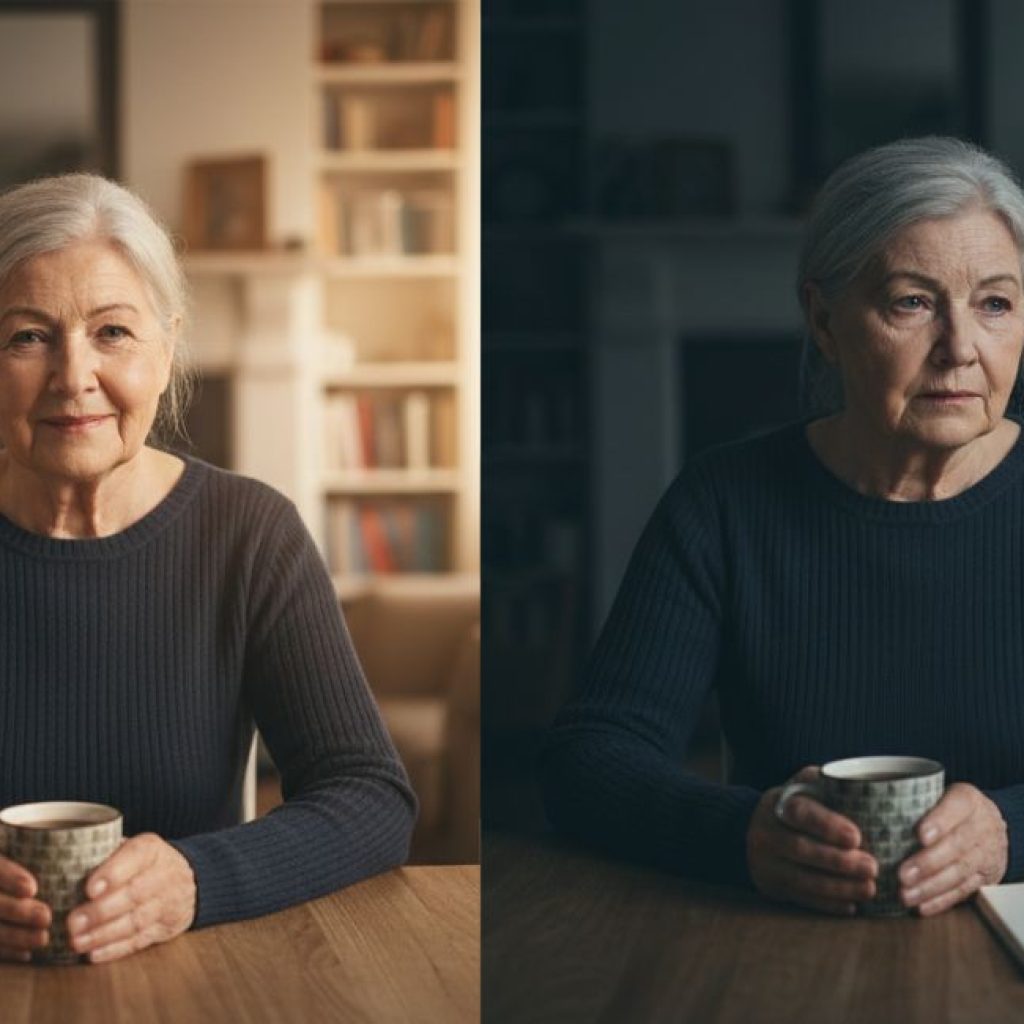
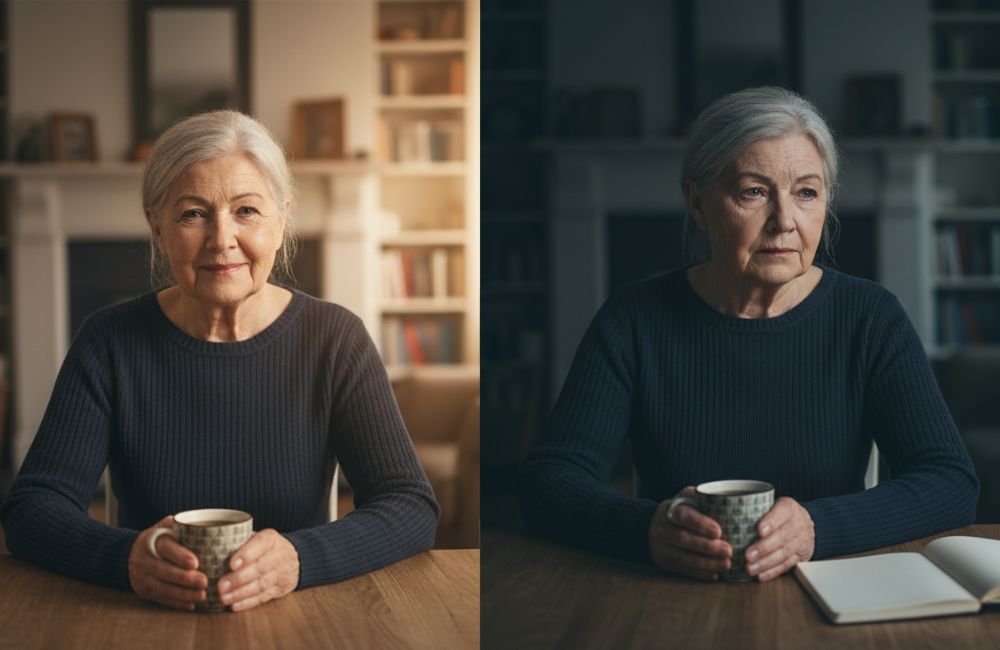
People love to talk about the golden years. They tell it like it was a peaceful and gentle era when they were younger. That story sounds nice, but it can also put pressure on seniors to act cheerfully. Its an unrealistic expectation even when life feels heavy or just plain complicated. If everyone expects you to be endlessly positive, it can start to feel safer to smile and nod. Most people do not want to admit they’re lonely or frustrated.
The problem is that this kind of always-be-upbeat attitude doesn’t actually help. It can make real issues harder to talk about, and it can leave older adults feeling unseen in the very places they’re supposed to feel supported.
There’s a big difference between resilience and pretending everything is fine. Resilience means you’re coping and adapting while still being honest about what hurts. Forced optimism is when you feel like you’re not allowed to say the truth out loud. Communities work better when seniors don’t have to perform happiness to be included.
Key Takeaways
- The “always cheerful senior” idea pressures older adults to hide loneliness, frustration, and grief, which makes real support harder to reach.
- Resilience is being honest about what hurts while coping day to day, but toxic positivity turns that honesty into something people feel they must hide.
- Strong communities and relationships improve when seniors don’t have to perform happiness and can be fully seen in both the good and the hard moments.
The Myth of the Jolly Senior
People love the image of the always-smiling grandparent who’s endlessly patient, funny, and full of gentle wisdom. It’s comforting, but it isn’t real life. Aging is layered. It comes with pride and relief in some seasons. For others, it comes with stress and plain old bad days. When society keeps pushing the “jolly senior” idea, many older adults feel they have to live up to it just to fit in.
The Origin of the Happy Senior Stereotype
A lot of this comes from what we see in the media and advertising. Older adults tend to get shown in extremes. They’re either fragile and dependent, or they’re carefree and glowing in a retirement community brochure. Real people don’t live in those two boxes.
These polished images are usually meant to portray older adults in a positive light. They’re meant to make aging feel less uncomfortable to everyone else. If the picture is bright enough, younger people don’t have to think about the harder parts of getting older. The downside is that seniors end up feeling flattened into a role instead of seen as full human beings with a long, complicated history.
How Expectations Shape Social Interactions
When an older adult walks into a group setting, there’s often a quiet expectation that they’ll be even more inspiring. That can sound harmless, but it puts pressure on someone to perform. Smiling through everything gets tiring, especially if you’re carrying real stress at home. Some are dealing with health changes that don’t show on the outside.
A lot of seniors know what happens when they say what they actually feel. If they mention frustration or fear, people can get uncomfortable fast. They might be brushed off or teased for complaining. After a while, it’s easier to stay quiet or stop showing up altogether. Not because they don’t want connection, but because they don’t want to be judged for having normal emotions.
The Erasure of Life Transitions
Getting older isn’t just a slow change. It’s a series of major transitions, and some of them hit hard. Retirement can shake your identity. Your body may not cooperate the way it used to. Friends move away, get sick, or pass on. Family roles shift. Even good changes can bring mixed feelings.
The jolly senior myth makes those transitions harder because it quietly suggests they shouldn’t hurt. Seniors may feel pushed to stay positive for everyone else’s comfort, even when they’re trying to process something real. That’s when support goes missing. People can’t show up with empathy if the truth never gets spoken, and seniors shouldn’t have to hide their reality just to keep the room comfortable.
The Hidden Cost of Toxic Positivity
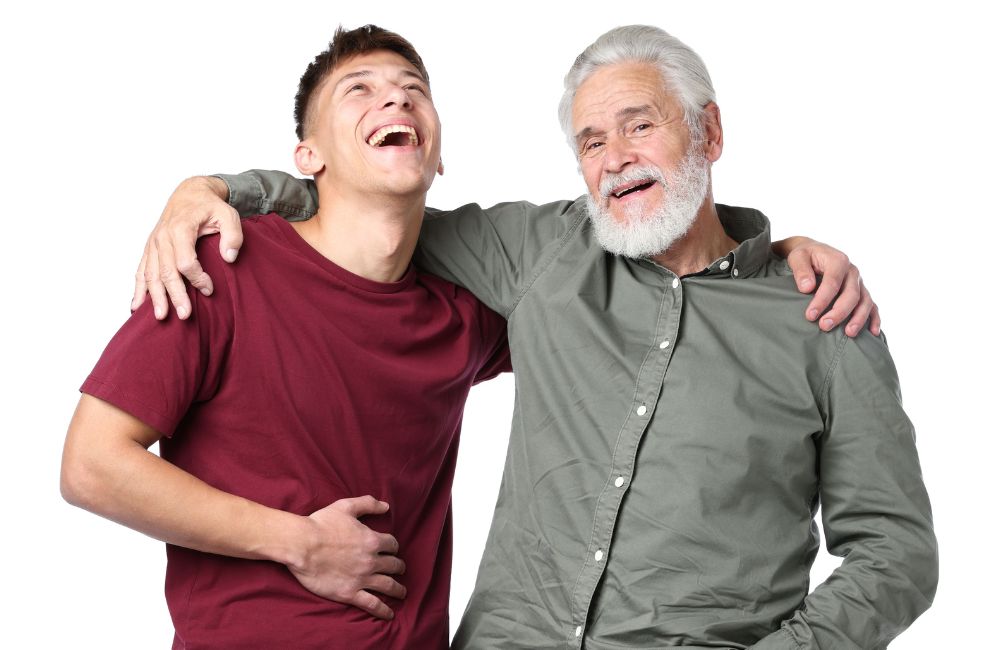
When people push optimism too hard, it can shut down honest conversations. For a lot of seniors, that “stay positive” message doesn’t feel encouraging. It feels like a hint to keep quiet about what’s actually going on. The result is that real struggles get hidden, support stays shallow, and loneliness can get worse even when others are technically around.
Emotional Exhaustion and Masking
Acting cheerful all the time takes work. It’s mental effort, and it adds up. Many seniors end up downplaying pain, brushing off grief, or making a joke out of something serious because they don’t want to worry anyone or get treated like a burden.
Over time, that gap between how someone feels and how they’re expected to act becomes exhausting. It can make everyday life feel heavier than it needs to be. A person shouldn’t have to perform to be accepted, especially in relationships that are supposed to feel safe.
The Suppression of Physical and Mental Health Needs
Toxic positivity can also make health problems harder to talk about. If a senior gets the message that discomfort is negative, they may stop mentioning symptoms. Depression can get shrugged off as moodiness, while chronic pain gets dismissed as just aging.
That silence has consequences. It reduces the chance of getting mental health support and make it easier for caregivers and family members to miss warning signs. People can’t respond to what they don’t know, and seniors shouldn’t have to choose between honesty and being liked.
Isolation Within Social Circles
Staying upbeat is often seen as the key to staying social, but it can backfire. Real closeness comes from being able to share the hard parts as well as the good ones. If seniors feel they can only talk about the nice version of their lives, conversations stay polite but empty.
That kind of connection doesn’t feed the soul. It leaves someone feeling alone in a crowded room because nobody really knows what they’re dealing with. Being surrounded by people isn’t the same as feeling understood.
Undermining the Process of Grief
Loss is part of aging. It might be the death of a spouse or a friend, a change in mobility, or the slow letting go of things that used to feel easy. When others rush in with a bright disposition, it can feel like the loss is being minimized.
Grief needs space. It needs time. It also needs permission to be messy without someone trying to fix it right away. A forced positive spin can take away that permission and make seniors feel guilty for grieving too long or too deeply. Honest grief isn’t weakness. It’s a normal response to real change, and it deserves respect.

Why We Fear Senior Negativity
It can feel confusing when you share something honest, like pain or frustration, and people react like you’ve done something wrong. A lot of the time, it isn’t really about you being negative. It’s about how uncomfortable aging makes other people feel and how quickly they try to smooth over that discomfort.
The Mirror of Our Own Future
When you talk openly about what’s hard, younger people can hear it as a preview of their own future. That can stir up fear about getting older or facing illness and death. Not everyone is ready to sit with those thoughts. They try to steer the conversation back to positivity.
That “just stay positive” line is often more about calming their anxiety than helping you. It’s a way of saying that bad things can happen to you, too.
The Comfort of the Easy Senior
People tend to feel better around seniors who are easygoing and low-drama. It lets them believe they’re being supportive without having to step into anything complicated. If you stay pleasant, they don’t have to figure out what to say or how to handle their own feelings.
The downside is that it can start to feel like your acceptance depends on being convenient. Your emotions become something you’re expected to manage quietly so nobody else has to.
The Burden of Being an Inspiration
Many seniors also feel pressure to be an example for their grandkids and even friends. People love the story of the older adult who’s always brave and always unshakable. It’s a nice story, but it can become a cage.
You should be allowed to be vulnerable without feeling like you’re letting anyone down. Real strength isn’t pretending the hard parts don’t exist. It’s being honest about them and still finding your way forward.
Conclusion
You don’t owe anyone nonstop cheerfulness to earn love, respect, or a sense of belonging. Aging brings growth, loss, wisdom, frustration, joy, and a lot of messy in-between moments. All of it counts. When you let yourself feel honestly, you make room for more real connections. Your acceptance shouldn’t depend on hiding your humanity.
FAQ
- Is It Wrong to Feel Angry or Frustrated as I Get Older?
- Not at all. Anger and frustration are normal responses to change, loss, pain, or feeling dismissed. They’re often signals that something matters to you. Bottling them up for other people’s comfort can raise stress. Naming them calmly, then speaking up about needs, can protect self-respect and improve relationships.
- Why Do People Tell Seniors to “Just Stay Positive”?
- A lot of people say this because they don’t know how to sit with discomfort. Aging, illness, and grief can scare them, so they reach for positivity to steady themselves. Optimism can help, but it shouldn’t be used to shut down your reality. Honest listening usually helps more than pep talks.
- Can Negative Emotions Affect My Health?
- Ongoing stress and unprocessed emotions can take a toll on sleep, blood pressure, mood, and energy. The answer isn’t pretending you’re fine. It’s noticing what you feel, talking it through, and getting support if it sticks around. When feelings are acknowledged, they often soften and become easier to manage.
- How Can I Express My Feelings Without Pushing People Away?
- Start with people who’ve earned your trust, like a close friend, family member, counselor, or a support group. Keep it simple: say what you’re feeling and what would help. Good relationships can handle honesty. The right people won’t punish you for being real, they’ll understand you better.
- What If I Feel Guilty for Not Being Grateful All the Time?
- Gratitude doesn’t erase grief, and grief doesn’t cancel gratitude. You can appreciate your family or the good parts of your life and still feel sad, angry, or worn down by what’s changed. Mixed emotions are normal. Feeling conflicted isn’t a moral failure, it’s part of being fully human.