How Your Own Fat Could Help Fix Osteoporosis-Related Spine Fractures


Last Updated on December 19, 2025 by Team MSW
Imagine a future where a painful spinal fracture doesn’t automatically mean major surgery, long hospital stays, and months of lost independence.
Researchers at Osaka Metropolitan University have been exploring an unusual hero in the fight against osteoporosis-related spine fractures: fat. More specifically, stem cells are taken from ordinary body fat, called adipose tissue stem cells (ADSCs).
These cells are relatively easy to collect, even from older adults, and the process puts very little strain on the body. For anyone in their 60s or 70s who’s heard “your bones are getting thinner” more than once, that alone is encouraging.
The team formed these fat-derived stem cells into tiny three-dimensional clusters known as spheroids, then nudged them to become bone-forming cells. Combined with a standard bone-repair material (β-tricalcium phosphate), this living “repair kit” was used to treat spinal fractures in rats designed to mimic osteoporotic vertebral fractures in humans.
The results were striking: not only did the bones heal, but their strength also significantly improved. On a microscopic level, the researchers observed increased activity in genes associated with bone formation and repair, suggesting that the treatment doesn’t just patch things up – it helps the body activate its own healing mechanisms.
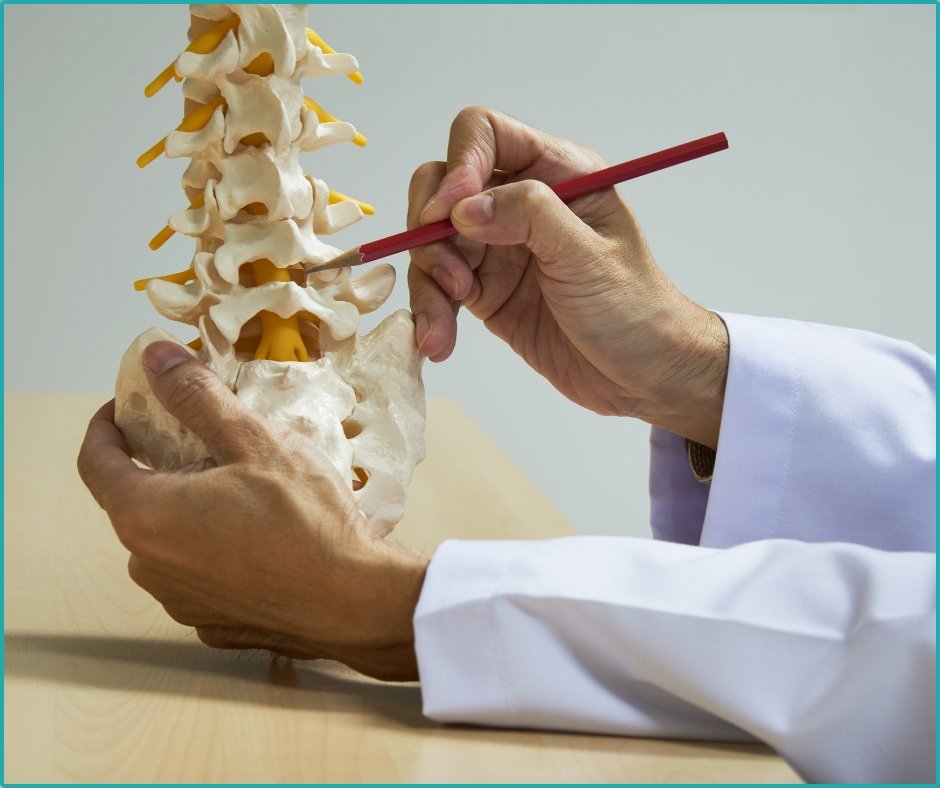
For people approaching or in retirement, this is more than a clever lab trick. Osteoporotic vertebral fractures are among the most common and debilitating injuries in older adults, often leading to chronic pain, reduced mobility, and a real loss of independence.
As populations age, especially in countries like Japan, the number of people at risk continues to climb. A treatment that could safely use a patient’s own fat-derived cells to strengthen fragile vertebrae has the potential to change the outlook for millions.
What makes this news truly noteworthy is its blend of practicality and promise. These cells come from a plentiful source (our own fat), the approach is designed to be minimally invasive and low-burden, and it aims not just to stabilize broken bones, but to restore their strength.
As lead researcher, Yuta Sawada explains,
“Since the cells are obtained from fat, there is little burden on the body, ensuring patient safety.” His colleague Dr. Shinji Takahashi adds, “This simple and effective method can treat even difficult fractures and may accelerate healing… [and] is expected to become a new treatment that helps extend the healthy life of patients.”
If you or someone you care about worries about bone health, this is a glimpse of a future where a spinal fracture doesn’t have to be the beginning of the end of independence. Take a deeper look at the science and possibilities in the full article: Fat Stem Cells Heal Broken Spines in a Breakthrough Study.