Politically Incorrect? How Cancel Culture Feels from the Senior Side of the Internet


Last Updated on February 17, 2026 by George
There was a time when disagreements stayed personal. You’d talk it out over coffee or argue a little at the dinner table, then move on. Now, the wrong sentence or joke could turn a normal discussion into a major argument online. For many seniors, it is incredibly stressful and confusing. The same apps that are supposed to help them stay close to family and friends become a place to be called out over one simple mistake.
A big part of the frustration is how fast the rules seem to change. People who grew up handling conflict face-to-face are used to tone, body language, and a chance to explain what they meant. Online, those things disappear. What’s left is a screenshot and a pile-on. It can feel like judgment comes first and understanding comes last.
Getting a handle on cancel culture isn’t about chasing trends or trying to talk like everyone else. It’s about feeling like you still belong in the conversation. Seniors have decades of experience with real relationships and real consequences. They deserve the same space online, without feeling like the internet is waiting to punish them for speaking the way they always have.

Key Takeaways
- Online conversations move fast and often skip tone, context, and second chances, which makes many seniors feel like one harmless mistake can turn into public shaming.
- The “rules” of digital etiquette change quickly, so older adults end up overthinking every post and holding back, even when they’re trying to connect in good faith.
- Seniors bring long-term perspective and steadiness that online spaces badly need, so staying engaged matters, even if it means adapting without giving up their voice.
The New Digital Etiquette
Moving from face-to-face conversations to online talk has changed what “good manners” look like. A lot of the old social cues are gone, and they’ve been replaced by rules that aren’t written down anywhere. That can leave many seniors feeling lost, even when they’re genuinely trying to connect.
From Handshakes To Hashtags
For years, social interaction followed a pretty clear playbook. You made eye contact, you shook hands, you watched your tone, and you could disagree without turning it into a personal attack. Online, none of that is visible. People can’t hear warmth in your voice or see the look on your face that says you mean well.
Instead, digital conversations lean on shorthand. Hashtags, trending phrases, and the right way to word things shift quickly, sometimes week to week. If you’re someone who values a longer conversation and a little back-and-forth, it can feel like the internet rewards speed over thought. Seniors often describe it as colder, not because they dislike technology, but because it strips away the human elements that once carried meaning.
The Vanishing Middle Ground
Misunderstandings used to be easier to fix. You could call someone, explain what you meant, and apologize if you came off wrong. Online, that middle step often disappears. Platforms tend to amplify strong reactions, and the loudest response rises to the top.
That makes the space feel unforgiving. A senior might use a phrase that was common not long ago and get hit with immediate hostility instead of a calm correction. When patience is missing, the digital world starts to feel like a minefield, where one mistake can get you pushed out of the conversation completely.
The Weight Of Every Word
Posting online can feel heavier than speaking in person. Many older adults were raised to be direct and honest, and to say what they mean. Digital etiquette often asks for a level of precision that doesn’t feel natural, especially when the “right” wording keeps changing.
On top of that, every sentence can be picked apart for hidden meaning, even if none was intended. Words can be treated like evidence, and people assume the worst instead of asking for clarification. Over time, that creates real exhaustion. It’s hard to share thoughts or life experiences when you feel like your vocabulary might be used against you.
The Fear of the Send Button
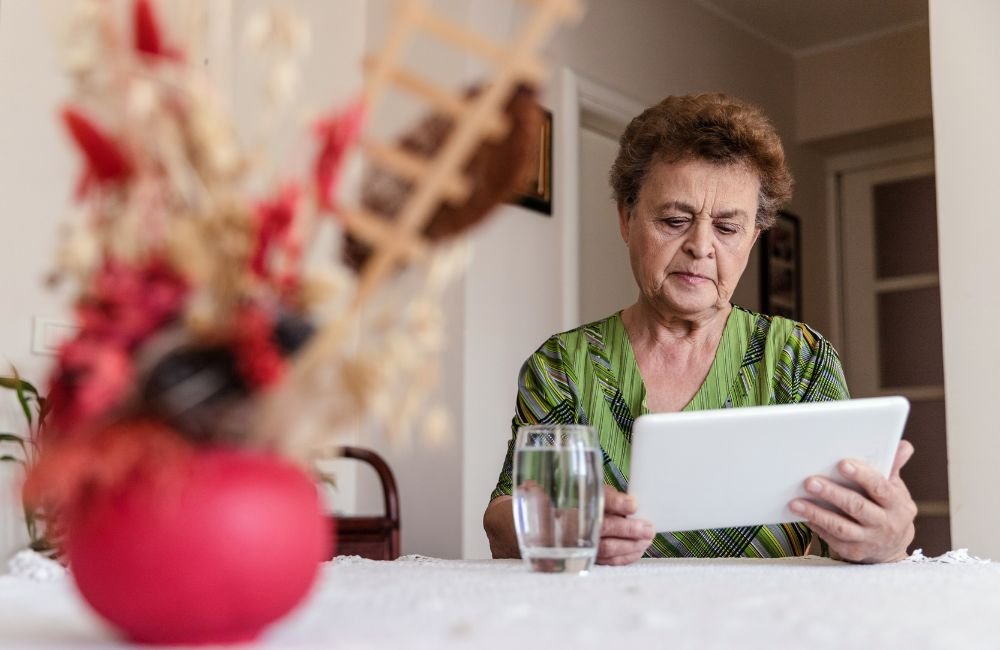
Posting a simple thought online can feel risky for a lot of seniors. It isn’t that they don’t have anything to say. It’s the worry that a harmless comment will be read the wrong way by people who don’t know them, and that it could spread far beyond the small circle they meant it for.
The Anxiety Of Digital Exposure
Many older adults grew up treating personal stories as something you share with people you trust, not with strangers. The internet flips that. A post can be seen by friends, relatives, and random people at the same time, and it can be copied or screenshotted even if you delete it later.
That creates a specific kind of pressure. Seniors can find themselves hovering over the send button, rewriting the same sentence, and asking, “How will this sound to someone who doesn’t know me?” They aren’t doubting their own experience. They’re reacting to an online culture that sometimes looks for a bad angle instead of assuming good intent.
The Silence Of Self Censorship
When it feels like the penalty for a misunderstanding is too high, people pull back. They read posts, scroll, and keep their thoughts to themselves. That quiet self-censorship comes with a cost.
Seniors carry a perspective that’s hard to replace. They’ve lived through social change, family conflict, political cycles, and community problems that repeat in new forms. When they stop joining conversations, the discussion gets thinner. You end up with a louder, faster online world that doesn’t have as much patience, context, or long-term memory.
The Loss Of Spontaneity
Real connection needs some breathing room. People need to be able to speak casually, word something imperfectly, and then clarify if they didn’t land it right. In person, that’s normal. Online, it can feel like every comment has to be “perfect” before you hit send, because the consequences feel permanent.
That pressure makes online spaces feel less like a neighborhood gathering and more like a stage. For seniors who remember how easy it used to be to debate, tease, and still respect each other, the fear of being labeled or shamed can outweigh the simple desire to join in.
Context Versus Consequence
Online culture often treats people like they’re only as good as their last post. Decades of lived experience, relationships, and good intentions can get pushed aside, while one comment is judged against today’s standards, even though those standards keep changing.

The Death Of Intent
In most real-life conversations, intent matters. If someone says something clumsy but you know they mean well, you usually give them a chance to explain or correct it. Online, the focus often shifts to impact alone, and the speaker’s actual meaning can get treated as irrelevant.
That hits seniors especially hard. Someone can spend a lifetime being a good neighbor and raising a family. They are then reduced to the person who said the wrong thing because one sentence didn’t match current language expectations. When no one is willing to consider what the person was trying to say, the whole conversation turns harsh fast, and people stop seeing each other as full human beings.
Judging The Past By The Present
Older adults carry stories that come from different times, with different norms and different pressures. Those experiences are part of how they learned and built their values. Still, the internet can demand that they retell their past using today’s rules, as if they’re supposed to edit their own history to avoid criticism.
A grandmother should be able to share a memory without feeling like she has to walk on eggshells. She also doesn’t have to defend every detail to people who weren’t there. When we judge old experiences only through modern lenses, we lose something important. Wisdom doesn’t appear in a vacuum. It’s built over the years, and understanding where people came from is part of understanding who they are now.
The Permanent Record Problem
In the past, a poorly worded remark at a party might sting for a day, then fade. People moved on, and you had room to learn and do better. Online, nothing really disappears. Comments get shared and resurfaced long after the original moment is gone.
That permanence changes how seniors experience the internet. It can feel like there’s no time served for a social mistake. Even when the context is forgotten, and the person has grown. Instead of a space where people can talk and learn, it starts to feel like a courtroom where the same sentence can be brought back again and again, while the fuller story rarely gets heard.
Conclusion
For many seniors, cancel culture doesn’t feel like progress. It feels like the rules changed overnight. Nobody handed them the updated handbook. Online judgment can move so fast and hit so hard. Even a careful, decent person starts thinking twice before posting anything.
Still, going silent has its own cost. Online spaces need the balance that comes with age. They need people who remember what happened before, who can slow down a conversation, and who can disagree without turning it into a fight. Seniors shouldn’t have to trade their voice for safety. If they learn how the online landscape works while maintaining basic respect and common sense, they can stay part of the conversation without feeling like they’re performing for approval.
FAQ
- What Is Cancel Culture In Simple Terms?
- Cancel culture is when someone gets publicly called out, shamed, or boycotted for something they said or did that others see as offensive or outdated. Social media can spread that reaction fast, and reputations can take a hit within hours. Seniors often find it especially harsh because people may ignore intent and jump straight to punishment.
- Why Do Seniors Feel Targeted Online?
- Many seniors grew up with language, jokes, and opinions that were normal in their time. As social norms shift, some of those habits don’t land the same way anymore. When the feedback comes as public humiliation instead of a respectful conversation, it feels personal, even if it’s really part of a wider cultural change.
- How Can Seniors Express Opinions Without Backlash?
- Paying attention to how terms and expectations change helps, even if it’s frustrating. Listening first also goes a long way, especially in conversations that are emotional or political. It helps to ask questions instead of making sweeping statements, and to stay open to learning when someone points out an issue. Good faith matters more than perfect wording, and people usually pick up on that.
- Should Seniors Avoid Social Media Altogether?
- Avoiding social media can feel safer, but it also cuts off connections, news, and community. A middle path often works better. Privacy settings, smaller groups, and moderated communities can give seniors a more human experience online without the intensity and chaos of big public comment sections.